 OSWESTRY
Rising damp
Rising damp occurs when moisture from the ground moves upwards through porous masonry. A missing, damaged or bridged damp-proof course may allow moisture and ground salts to affect plaster and finishes.
Common warning signs
- A low-level tide mark or persistent damp band
- Flaking paint, crumbling plaster or lifting wallpaper
- White salt deposits on masonry or plaster
- Rotting skirting boards or nearby floor timbers
Penetrating damp
Penetrating damp is moisture entering laterally through the building envelope. It may be caused by defective pointing or render, leaking gutters and downpipes, roof faults, failed seals, cracks or high external ground.
The damp patch often becomes worse following rain. Treatment must begin by stopping the route of water entry; covering the internal stain without fixing the cause will not provide a lasting repair.
Condensation and mould
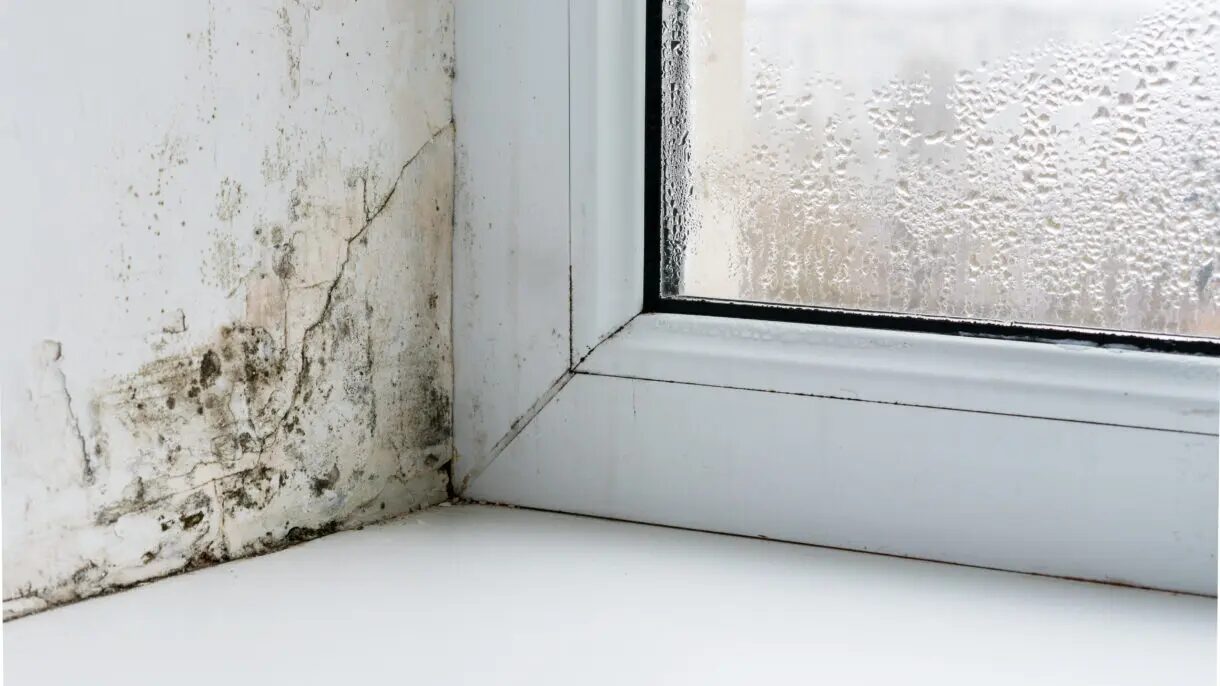
Condensation forms when moisture-laden indoor air reaches a cold surface. Black mould around windows, external corners and behind furniture is more typical of condensation than rising damp.
We look at ventilation, heating patterns, insulation, cold bridging and moisture production before recommending improvements. The correct answer may include better extraction, controlled background ventilation and attention to cold surfaces.
What treatment may involve
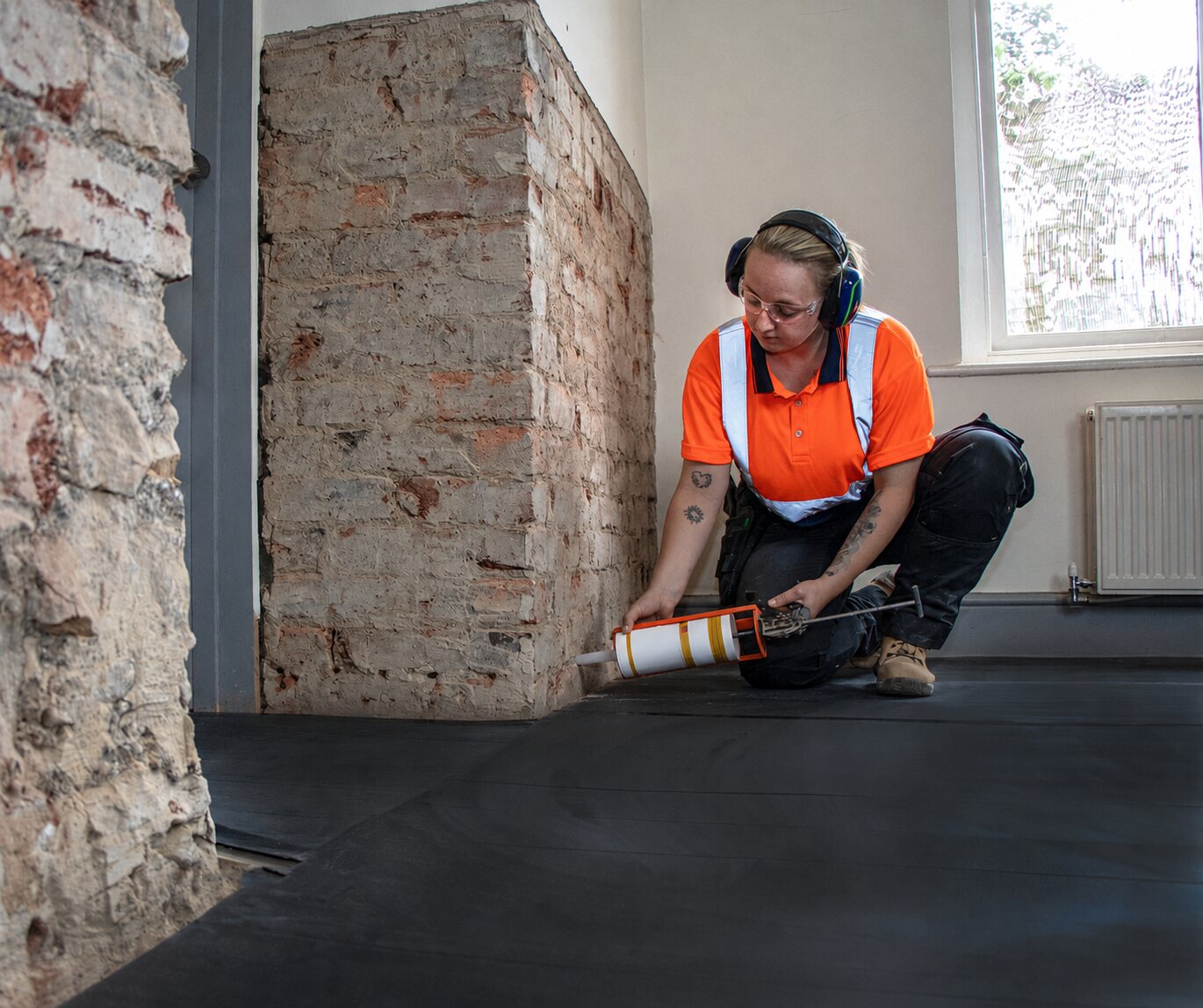
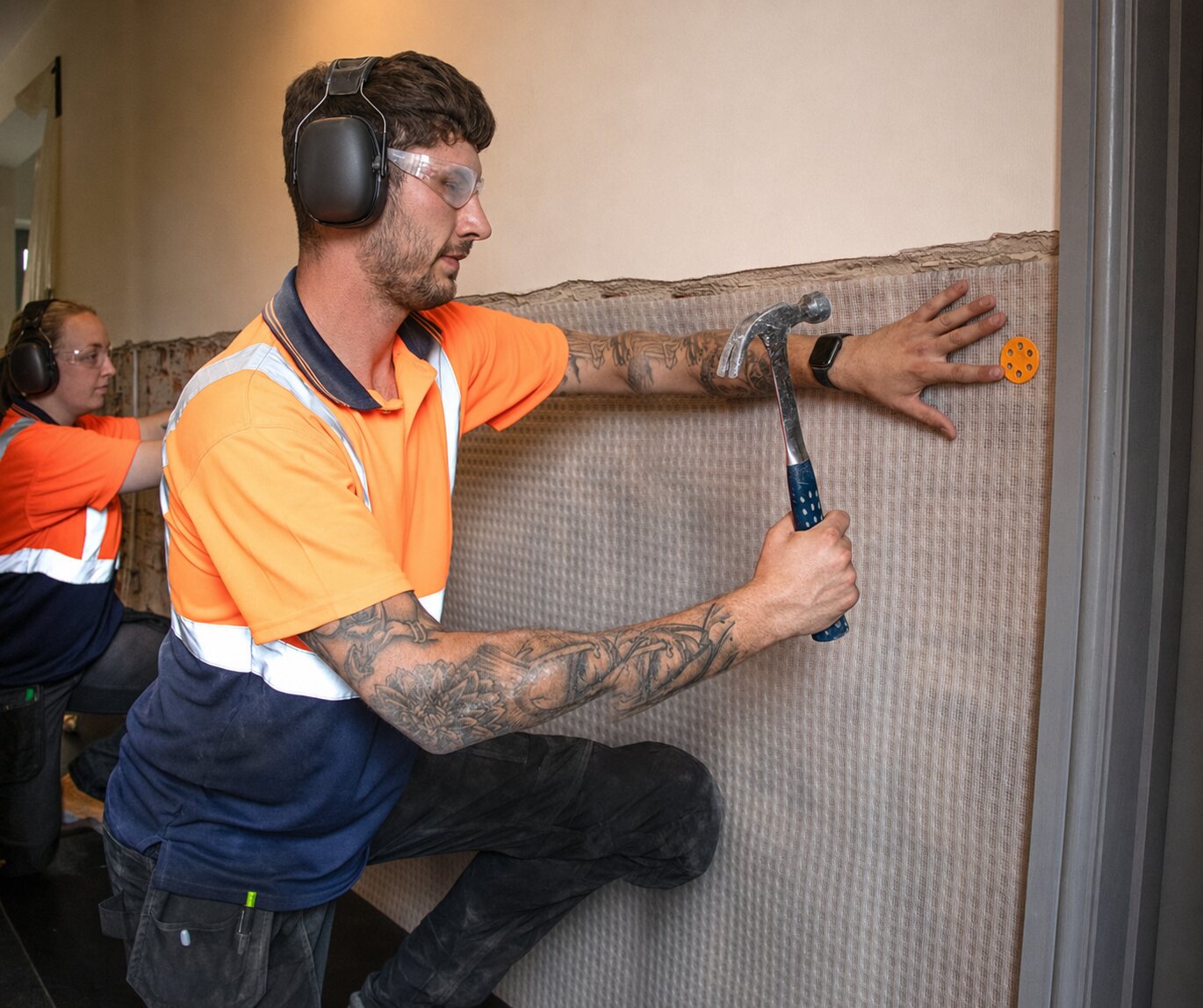
Depending on the confirmed cause, work can include local repairs to water entry points, damp-proof course treatment, removal of salt-contaminated plaster, suitable replastering systems, timber repairs, ventilation improvements or waterproof membranes.
We explain the reason for every recommended element so that you understand what is being treated and why.